{
“title”: “The Meme Economy: How Viral Culture Dictates Modern Music Strategy”,
“meta_description”: “Memes are no longer just internet jokes; they are the primary distribution engine for music. Learn how high-performers view virality as a core business asset.”,
“tags”: [“Music Industry”, “Digital Strategy”, “Viral Marketing”, “Content Ecosystems”, “Social Media ROI”],
“categories”: [“Culture, Indie and Trends”, “Business”],
“body”: “
The Viral Arbitrage of Music
A song no longer needs radio play, label backing, or even a cohesive album narrative to top the charts. It needs a 15-second loop, a recognizable dance, or a situational hook that invites user participation. We have moved from a consumption-based industry to a participation-based one, where the meme acts as the unit of currency. For labels and independent artists alike, the ability to engineer or identify a viral moment is the highest form of strategy.
This is not merely cultural serendipity. It is a predictable outcome of algorithmic feed optimization. When a sound gains traction on platforms like TikTok or Reels, it becomes a structural component of the platform itself. By becoming a meme, a track secures free distribution across millions of user-generated videos, effectively turning every consumer into an unpaid marketing affiliate.
The Operational Logic of Virality
High-performing organizations treat virality as a repeatable process rather than a stroke of luck. This requires a shift in how we approach operations. In the music industry, this means composing songs with ‘meme-ready’ hooks—micro-segments of audio specifically engineered for high-frequency repetition. It is the audio equivalent of optimizing code for faster runtime performance.
The most successful artists are those who understand the feedback loops within their fanbases. They monitor social sentiment, analyze which segments of a song get the most engagement, and then double down. This analytical rigor is a direct application of data-driven decision-making. You cannot afford to be precious about your art if your primary goal is scale; you must be willing to pivot based on what the market dictates.
Building Systems for Sustainable Reach
Memes provide rapid growth, but they pose a significant threat to longevity. A track can be everywhere for three weeks and forgotten by the fourth. To survive the churn, artists must build a brand ecosystem that transcends the single viral hit. This is where productivity systems come into play: the ability to maintain a consistent output while simultaneously managing the fallout of a sudden viral spike.
Leaders in this space do not rely on a single distribution vector. They use the meme as an entry point, then move audiences toward high-fidelity platforms where they can capture data and build long-term relationships. It is a funnel strategy. If you fail to transition your ‘meme-first’ audience into a deeper engagement model, you are building your house on rented land. Explore more on how to manage these digital assets at thebossmind.online.
The AI Factor in Cultural Production
We are already seeing the emergence of AI-generated memes and audio snippets designed to bypass the traditional creative friction. When machines can iterate on potential viral hooks faster than human producers, the barrier to entry collapses. For the operator, this means the competitive advantage lies not in the creation of the content, but in the speed of the distribution network. The winners will be those who can deploy these assets across the most relevant channels with the highest precision.
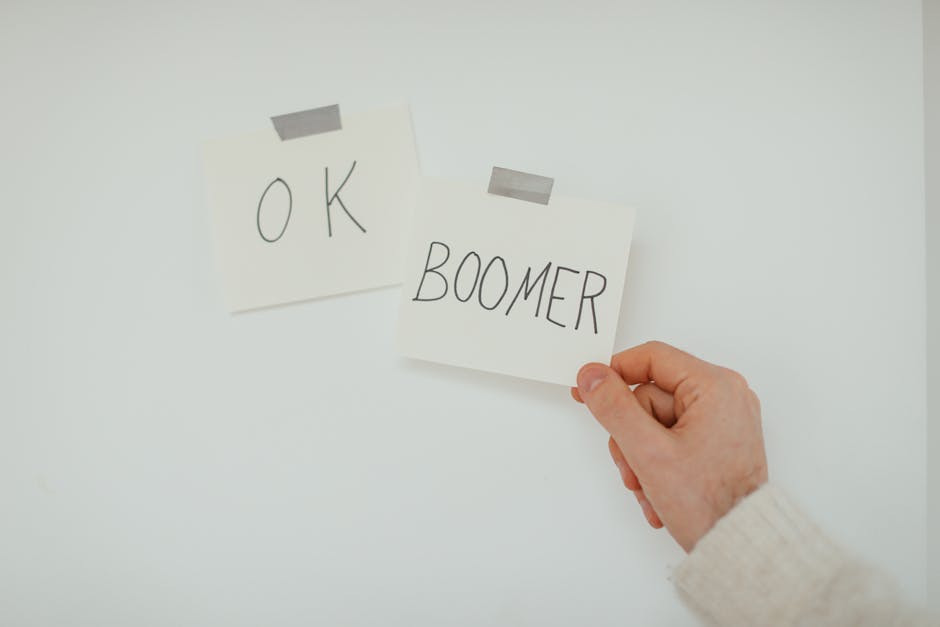
Memes are the infrastructure of attention. If your strategy does not account for how your product is modularized and remixed, you are ignoring the primary mechanism of modern discovery.
Ultimately, the role of memes in music is a case study in decentralized influence. It strips power from traditional gatekeepers and shifts it to the nodes—the individual users—who decide what gains cultural capital. Understanding this shift is vital for anyone operating in high-stakes environments, whether in music, tech, or entrepreneurship.





Leave a Reply